


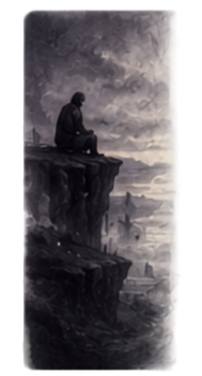
Field Notes from the Road
Many travelers assume isolation means being alone. The Caravan's observations suggest otherwise.
Among all known Shadow Families, the Isolation Family appears uniquely focused on separation. Not merely physical separation. Emotional separation. Relational separation. Experiential separation. The gradual loss of connection between the traveler and the world around them.
Unlike many Shadows, members of this family rarely attack directly. Instead, they create distance. A little at a time. A conversation avoided. A feeling suppressed. A risk postponed. A message unanswered. A campfire missed.
The traveler remains present.
Yet somehow becomes increasingly difficult to reach.
Shared Characteristics
Though their methods differ greatly, members of the Isolation Family appear to share several common traits.
Most Isolation creatures:
Create disconnection.
Encourage withdrawal.
Reduce vulnerability.
Discourage participation.
Thrive in silence.
Feed on distance.
Some isolate travelers from other people. Some isolate travelers from themselves. Some isolate travelers from life itself. The destination, however, appears remarkably consistent. The traveler becomes harder to reach. And eventually harder to recognize.
Why They Are Difficult to Recognize
Many Shadow Families feel hostile. The Isolation Family often feels protective. That may be its greatest deception.
The creatures rarely say: "Leave everyone." Instead they say: "Protect yourself." "Stay comfortable." "Avoid the risk." "Keep it to yourself." "You don't need anyone."
The traveler believes they are building safety. The family is building walls.
Known Members of the Family
Endless Scroll

Consumer of attention.
Replaces participation with observation.
Offers endless stimulation while quietly reducing engagement with real life.
Gelatinous Drift
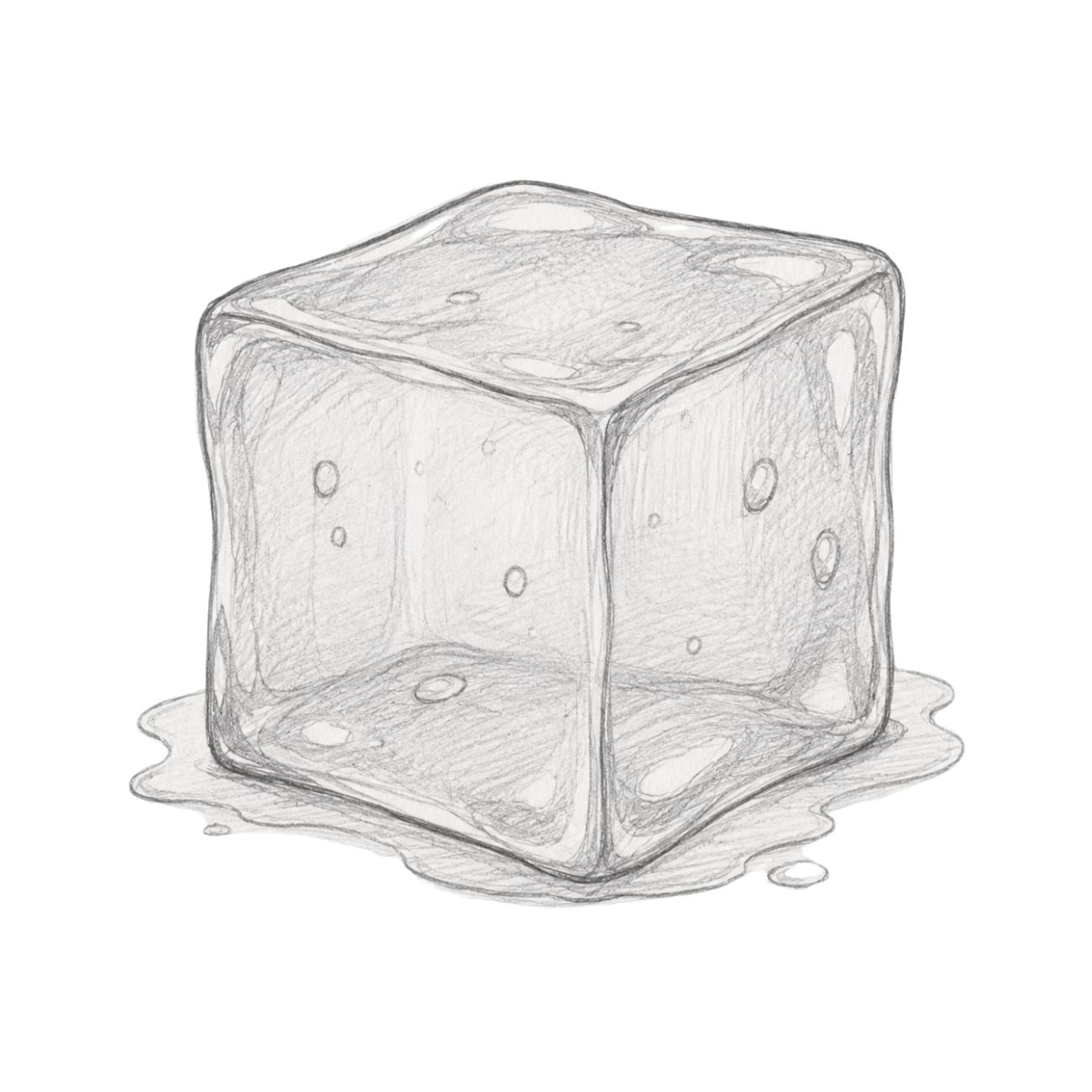
The soft surrender.
Encourages passivity, postponement, and comfortable disengagement.
Rarely demands anything.
Simply asks less and less of the traveler.
Fog Walker

Bringer of autopilot.
Transforms days into repetition and awareness into routine.
Feeds upon unconscious living.
Leaves travelers physically present but emotionally absent.
Current Theory
The Caravan currently believes the Isolation Family fears only one thing:
Connection. Not productivity. Not achievement. Not confidence. Connection. A message answered. A difficult conversation begun. A campfire attended. A truth spoken aloud. A hand extended.
A traveler choosing participation over protection.
Again and again, reports suggest that connection weakens nearly every member of this family.
This observation remains under active study.
Rowan's Research Notes
"Many travelers believe isolation begins when people leave. My observations suggest it often begins when participation leaves."
— Rowan
Ember's Observation
"I've noticed these creatures hate campfires."
"Not because campfires solve everything."
"Because campfires make it harder to disappear."
— Ember
Campfire Notes
Travelers report:
"I wasn't alone.
I was disconnected."
"The walls felt protective until I realized I couldn't get back through them."
"I kept waiting to feel ready before reconnecting."
"The first step back was much smaller than I imagined."
Questions for Further Study
Why do protection and isolation often resemble one another?
Can solitude be healthy without becoming withdrawal?
What forms of connection are most effective against this family?
Why do some travelers become isolated while surrounded by people?
Is participation a skill that can be strengthened?
The Caravan remains divided on these questions.